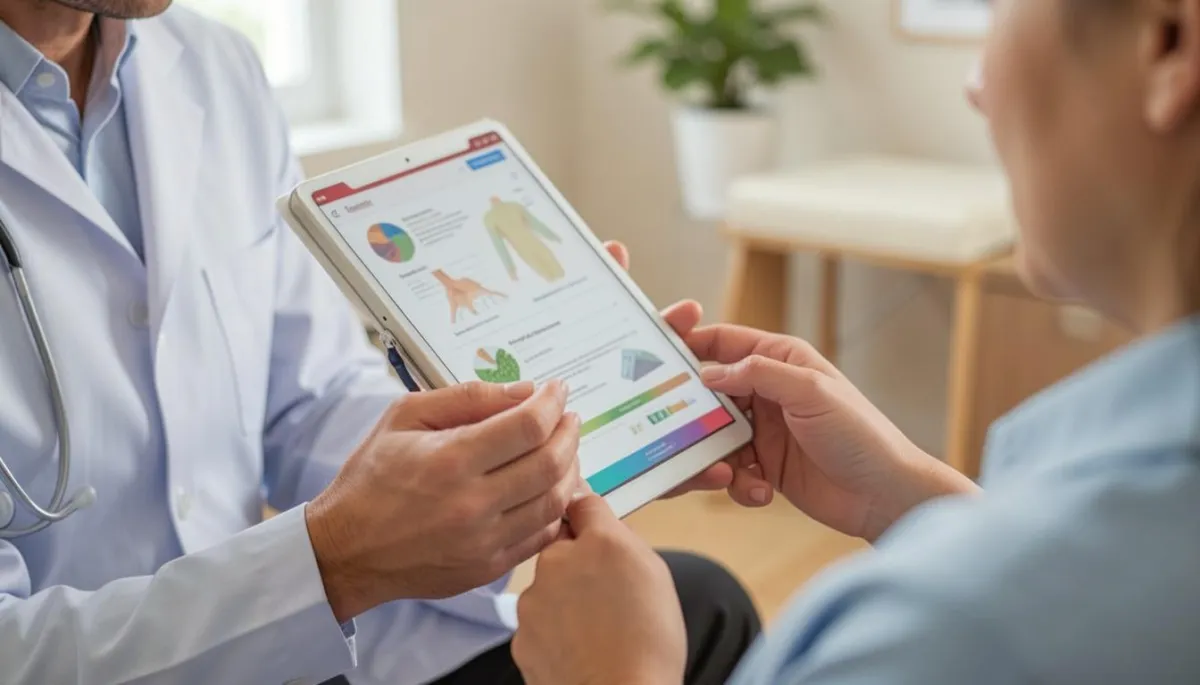
The Science of Digital Empathy: Can an Algorithm Truly Understand the Human Heart?
Why is the cultivation of "digital empathy" becoming the most critical frontier in 21st-century behavioral health? As our interactions migrate from the physical consultation room to the digital interface, we face a high-stakes challenge: ensuring that the "human" doesn't get lost in the "hardware." For many navigating this transition, there is a lingering fear that technology might dilute the warmth of the therapeutic alliance—that essential, collaborative bond between practitioner and client that serves as the primary engine of clinical change.
However, the science suggests a different narrative. At ProCareTech, we believe that when grounded in the biopsychosocial model—an approach that considers the complex interplay of biological, psychological, and social factors—technology doesn't replace empathy; it provides a new, expansive canvas for it.
The Science: Understanding the "Empathy Gap" in Virtual Care
The lived experience of a telehealth session is fundamentally different from an in-person meeting. In a physical office, we rely on a symphony of non-verbal cues: the subtle shift in a client’s posture, the pacing of their breath, or the shared silence in a room. In clinical psychology, these are often referred to as "micro-expressions" and "paralanguage."
Research into Mediated Communication Theory suggests that while digital tools can create a "filter" that reduces some of these cues, they also offer unique opportunities for "hyper-personal" connection. Digital empathy is the intentional practice of using technology to perceive, understand, and respond to another’s emotional state.
1. The Neurobiology of Connection
When we engage in empathetic listening, our brains often experience "neural coupling," where the activity in the listener’s brain mirrors that of the speaker. Studies using fMRI (functional Magnetic Resonance Imaging) indicate that while the intensity of this coupling can vary across digital mediums, it is far from absent. In fact, for certain populations—such as those with social anxiety or neurodivergent traits—the "buffer" of a screen can actually reduce cortisol levels, making the individual feel safe enough to achieve deeper vulnerability.
2. Synchrony and AI
Psychologists are among those finding resolutions to these complexities, and technology is providing the bridge. Modern AI tools are now capable of analyzing vocal prosody (the rhythm and pitch of speech) to detect early signs of burnout or depression that might be invisible to the naked eye. This isn't "robotic" diagnosis; it is an augmented form of clinical intuition. By flagging these nuances, the technology allows the clinician to lean in exactly when the client needs it most.
The Tech Bridge: Enhancing the Therapeutic Alliance
At its core, digital empathy is about accessibility and presence. In the traditional model, a crisis doesn't always happen during a scheduled 50-minute hour. The integration of digital wellness tools—such as secure messaging, mood-tracking apps, and automated check-ins—ensures that the "presence" of care extends beyond the office walls.
This is where the Biopsychosocial-Digital Framework comes into play. By leveraging data, we can see how a person's sleep patterns (biological), their stress levels (psychological), and their social engagement (social) fluctuate in real-time. This "data-informed empathy" allows for a more precise, personalized level of care that respects the unique rhythm of every individual's life.
Clinical Insight: Digital empathy is not about the "machine" feeling for the human; it is about the machine removing the administrative and logistical frictions that prevent humans from feeling for each other.
The Practicality: The News You Can Use
Building a culture of digital empathy—whether you are a provider or a tech-forward patient—requires intentionality. Here are evidence-based strategies to bridge the digital divide:
Practice "Radical Presence" in Video Calls: Minimize your own self-view. Research suggests that "mirror anxiety" during video calls can significantly deplete the cognitive resources needed for empathetic listening.
Leverage Asynchronous Connection: Don't underestimate the power of a thoughtful, secure message between sessions. These touchpoints reinforce the therapeutic alliance and remind the client they are "held" in the clinician's mind.
Audit Your Digital Hygiene: For practitioners, using automated intake and scheduling tools isn't just a business move—it’s a clinical one. By reducing "cognitive load" through automation, you preserve your mental energy for the high-intensity emotional work of the session.
Use Data as a Conversation Starter, Not a Conclusion: If an app shows a dip in a client’s mood, use it as a curious inquiry ("I noticed your logs showed a tough Tuesday; would you like to explore what was happening then?") rather than a clinical judgment.
Empowering Lasting Progress
Information is a powerful tool. By applying these evidence-based strategies, we contribute to lasting progress in how we deliver and receive care. The future of behavioral health isn't a choice between "high-tech" and "high-touch"—it is the seamless integration of both.
At ProCareTech, we are dedicated to helping organizations and individuals master this balance. Whether you are looking to refine your clinical workflow or enhance your personal well-being through digital tools, we are here to guide the way.
Ready to elevate your digital care strategy?
Explore our Services to integrate digital empathy into your practice.

